


How to Safely Secure Your Gazebo on Concrete or Grass
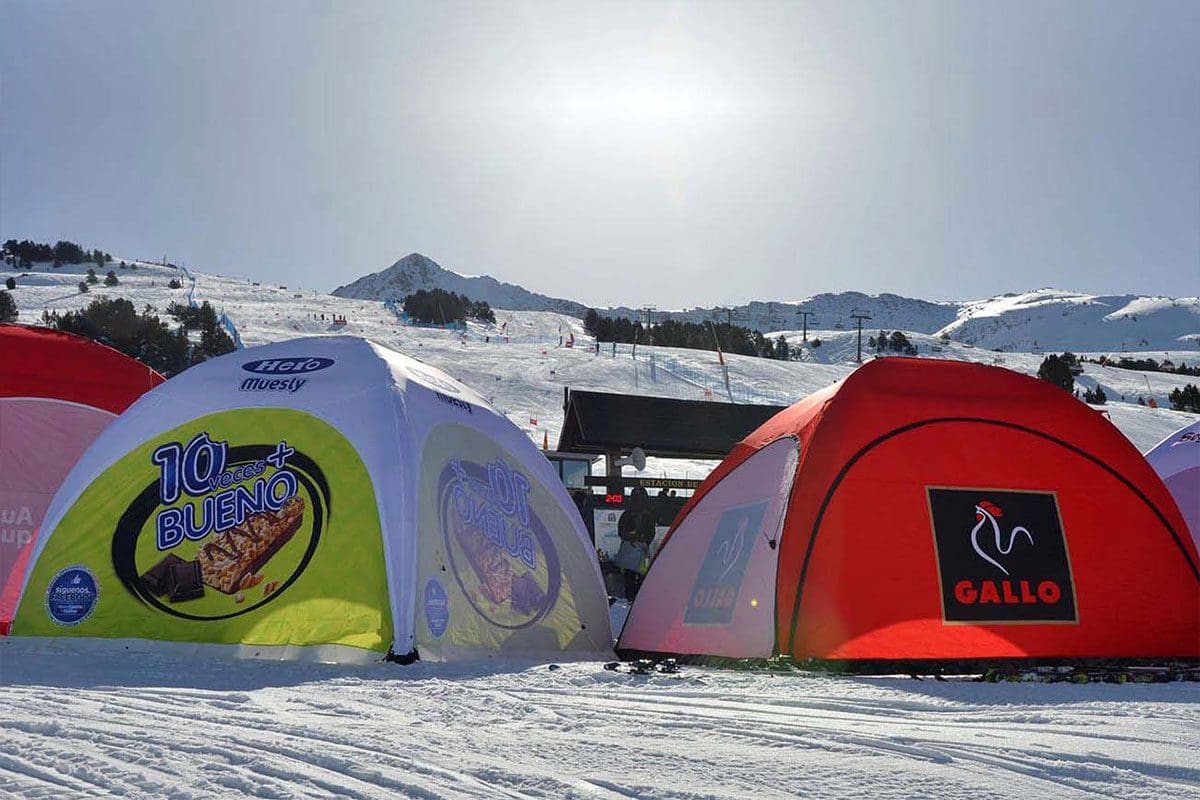
Outdoor events and markets rely on gazebos for protection from the reliably unreliable UK weather. But if the canopy isn’t secured, strong winds can quickly turn it into a safety risk. Picking the right way to anchor your gazebo keeps it stable and safe all day.
You’ll need different anchoring methods depending on the ground. Grass lets you use ground anchor pins, while hard surfaces like concrete need heavy weights. Check your surface before setting up so you can pick the right mix of weights, pegs and ropes.
Why Is Securing Your Gazebo So Important?
A good shelter can act like a giant kite if wind gets underneath the canopy. Without the right anchors, even light winds can lift the frame, leading to damage or injury. Taking time to secure your shelter protects your investment and keeps everyone safe.
If you run events or work commercially, you may need to comply with strict safety rules for wind resistance and anchoring. Properly securing your shelter helps avoid accidents and keeps your event running smoothly, even if the weather changes. Strong frames and the right anchors give you extra peace of mind.
How Do You Anchor a Gazebo on Grass?
Soft ground works well for traditional anchoring methods because you can drive stakes deep into the soil. Setting up on grass or turf lets you secure the shelter firmly.
Using Heavy-Duty Pegs and Steel Stakes
Standard wire pegs can bend and fail if the wind picks up. Heavy-duty glow pegs or ribbed spiral pegs grip much better in firm ground. For the best hold, push pegs into the ground at a 45-degree angle, pointing away from the leg.
Securing Ropes and Ratchet Straps
Attach strong guy ropes or a spiral tie-down kit to the canopy’s upper corners for extra stability. Tighten the straps and secure them with heavy steel stakes driven deep into the ground a few feet away. For added security on soft soil, check out our range of gazebo weights and tie-down kits.
Can you Secure a Gazebo on Concrete Without Drilling?
You can’t use regular ground stakes on concrete or tarmac unless you drill holes. If you can’t bolt down your shelter, use heavy weights on the legs to stop the wind from lifting it.
Cast Iron and Stacking Leg Weights
You can use 12kg MAGTEX or PROTEX gazebo weights, which slide over the metal feet and keep the shelter stable by lowering its centre of gravity. These cast iron discs stack easily, so you can add more weight to each leg as needed.
Sandbags and Water Fillable Weights
Sandbag gazebo weights are flexible and wrap around each leg using strong Velcro straps. Flag water weights are easy to carry when empty and become heavy anchors when filled at your event. Always make sure your sandbags or water weights can handle the wind load for your shelter size.
Comparing Securing Methods: Weights vs Pegs vs Straps
The best way to anchor your shelter depends on the ground, expected wind speed and how much equipment you can bring. Comparing these options helps you pick the right setup for your needs.
| Securing Method | Suitable Surface | Key Advantage | Main Limitation |
| Heavy-Duty Pegs | Grass, Soil, Turf | Fast installation into ground | Unsuitable for hard surfaces |
| Spiral Tie Down Kit | Grass, Soil (with stakes) | Superior tension stability | Requires extra footprint space |
| MAGTEX & PROTEX Weights | Concrete, Tarmac, Paving | Compact and zero surface damage | Heavy to transport when offsite |
| Sandbags & Water Weights | All Flat Hard Surfaces | Highly portable when empty | Requires water source or sand fill |
Using more than one way to secure your shelter is the best way to protect against rapid weather changes. For example, you can use heavy leg weights along with guy straps attached to nearby solid structures for extra wind stability.
Key Safety Steps Before Setting Up Your Shelter
Set up your shelter in a spot that reduces wind exposure before you anchor it. This helps lower stress on the joints. Always check the wind forecast before setting up, and don’t go over the wind speed limits for your frame.
- Whenever you can, place the gazebo frame next to natural windbreaks like brick walls or tall hedges.
- Make sure all leg weights are attached tightly so they don’t slip if the wind changes or the frame moves.
- If you have enough space, use guy ropes along with leg weights to spread the stress across the whole frame.
- Check the canopy seams, corner joints, and locking pins for any wear before tightening the straps.
If you often host outdoor events in tough weather, think about upgrading to our strong pop-up gazebos. These commercial frames, paired with heavy weights, give you the best strength and stability, even in challenging British weather.
Keep Your Gazebo Secure with Sun Leisure
To keep your shelter safe, use the right anchors for your surface. Heavy cast iron weights work well on concrete, while deep steel pegs are best for grass. These steps help keep everyone safe and your event running smoothly, no matter the weather.
If you need help picking the right weights or tie-down kits for your shelter, get in touch with our team. We’re happy to offer personalised advice and support.