


What Makes a Waterproof Gazebo? Denier & PVC Coatings
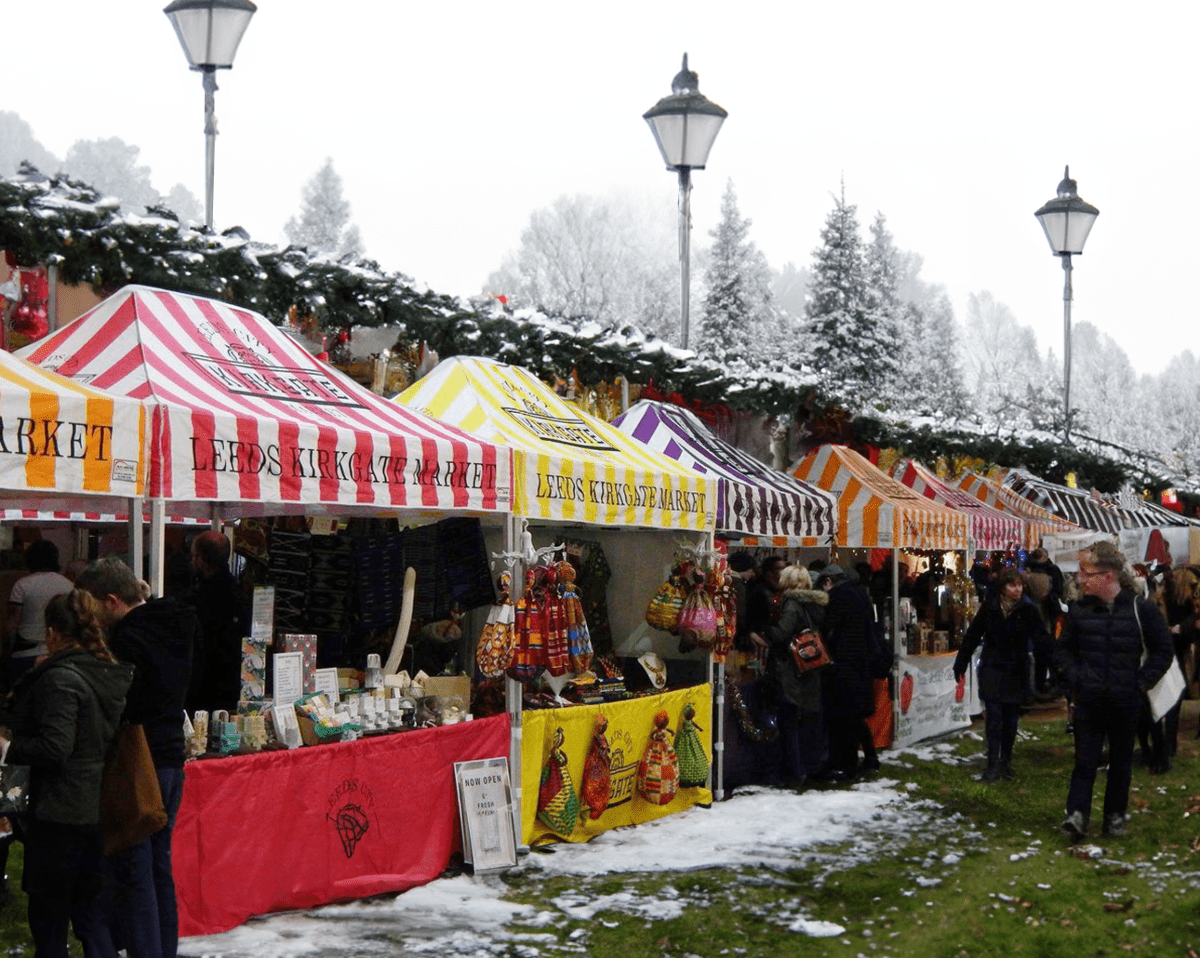
When you hear the phrase ‘British Summertime’, there aren’t many people whose minds will cast images of cloudless sunny skies. Planning an outdoor event in Britain means being prepared for immediate changes throughout the year, especially sudden downpours. To be prepared, you need a good, reliable gazebo to guarantee protection from the elements.
As you look at outdoor shelters, you’ll see terms like denier ratings, PVC coatings, and hydrostatic head measurements. At Sun Leisure, we understand these can be confusing. Learning what they mean will help you keep your gazebo safe, dry, and comfortable for everyone.
This guide explains how fabric density and protective coatings work together to keep out rain, and how to choose the best shelter for your needs.
What are Denier and Fabric Density in Waterproofing?
Denier measures the thickness of individual threads in your gazebo roof canopy fabric. A higher denier means thicker yarn, creating a stronger and more durable weave. It draws its name from the denier, an ancient French coin that became the standard cost per gram of silk.
Denier measures thread thickness in woven synthetic fabrics. Choosing the right denier ensures your gazebo delivers the ideal balance of portability and strength, especially as concerns weather resistance.
Lightweight fabrics around 150D to 200D offer great portability and easy handling for casual outdoor equipment. You’ll often find this fabric weight in summer tents and lightweight garden pop-ups. While these covers aren’t suitable for heavy weather, they are easy to carry for weekend trips.
Medium-duty fabrics at 300D provide a good balance of flexibility and strength for mid-tier gazebos. This weight resists everyday scuffs better than lighter fabrics without adding bulk or weight. You’ll get reliable performance for seasonal garden gatherings and frequent weekend markets in mild weather.
Commercial-grade 600D polyester offers durable performance for demanding outdoor events and professional markets. The tightly woven fabric resists tearing, stretching and abrasive wear. It is the gold standard material for commercial gazebos that endure frequent setup and rough British weather.
900D-1200D extreme strength fabrics provide maximum structural strength for harsh environments. They are designed for durability, even during long-term commercial displays. Although these heavy covers add weight, they resist tearing under extreme tension or heavy use.
This dense weave provides the structural backbone for any high-performance waterproof gazebo frame. Thicker threads resist stretching under heavy water and stay taut across the canopy roof.
However, fabric density alone does not stop water from passing through tiny gaps between threads. Water droplets seep through untreated polyester without a waterproof barrier. That is why quality shelters combine high denier polyester with protective coatings underneath.
The Role of PVC Coatings and Hydrostatic Head Ratings
To ensure weather protection, manufacturers apply a strong polyvinyl chloride layer to the fabric backing. This thick PVC coating seals microscopic gaps in the polyester weave to prevent water entry. Quality covers also feature heat-sealed, thermally taped seams and double stitching at major stress points.
These reinforced seams stop rain from entering through tiny needle holes during heavy downpours. Hydrostatic head ratings measure how much water pressure a canopy fabric can tolerate before moisture passes through.
For example, premium models like our commercial and industrial gazebos include an impressive 4000mm hydrostatic head rating. This exceptionally high rating ensures your shelter holds strong against heavy torrential rain without leaking overhead.
Can a Gazebo Withstand Heavy Rain and Pouring Downpours?
Heavy summer storms and persistent winter rain test any outdoor shelter in Britain. High-quality structures made from commercial-grade materials withstand downpours when properly tensioned and anchored. An apex roof design lets rainwater run off quickly instead of pooling in fabric pockets.
Internal spring mechanisms in the central apex keep the roof canopy taut during heavy downpours. Tensioned fabric prevents water pooling that can stretch material and damage frame joints over time.
Proper leg weights and tie-down straps secure the structure so rainwater slides off smoothly. Sturdy aluminium frames combined with waterproof PVC-backed covers provide peace of mind in bad weather.
Choosing a Gazebo with Sides for Total Protection
Overhead protection covers only part of the challenge when wind drives rain sideways. Investing in a heavy-duty waterproof gazebo with sides ensures full enclosure and maximum protection. Sidewalls zip tightly at corners and attach securely to the canopy with continuous Velcro strips.
This flawless connection prevents gusting wind and driving rain from penetrating the interior space of your stand. You can explore our full selection of pop-up gazebos to find versatile customisable side panel options.
Full side panels feature the same tough denier fabric and PVC backing as the main roof canopy. They keep trade goods completely dry, create a sheltered workspace and preserve a professional appearance everywhere.
How to Maintain a Rainproof Gazebo
Outdoor shelters need regular care to retain weather protection. Over time, sun bleaches fabric and dust and dirt wear down protective coatings and seam tape. Applying a specialised reproofing spray restores the water-repellent barrier on worn canopy fabric.
Clean the fabric with warm water and a soft brush before applying waterproofing treatments. Focus on double-stitched seams where water pools during rainstorms.
Seam sealer liquids fill tiny needle holes and prevent moisture from passing through stitched joints. Regular maintenance extends your canopy’s lifespan and keeps your workspace dry for years.
Budget Weatherproofing: What is the Cheapest Way to Waterproof Canvas?
Restoring weather resistance on a budget is simple with affordable fabric care products. Applying a commercial silicone reproofing spray is the most cost-effective way to treat canvas. These sprays create a water-repellent layer that makes water bead and roll off.
Liquid canvas sealers sprayed or brushed onto clean fabric panels offer another economical waterproofing method. For older covers, applying liquid seam sealer along stitched joins adds inexpensive extra leak protection. Always clean and dry fabric before applying reproofing products for best adhesion.
Structural Durability: Can You Leave a Waterproof Gazebo Up Year Round?
Pop-up shelters excel at quick deployment and temporary weather protection during events. Leaving them outdoors permanently exposes the frame and fabric to severe weather damage. Prolonged sunlight weakens synthetic fibres and damages protective PVC coatings.
Heavy snow, gale-force winds and moisture can stress frame joints beyond their capacity. To protect your investment, pack your shelter into its bag after every event. You can find more tips and maintenance advice for your gazebo in our FAQs or other blogs.
Final Thoughts on Keeping Dry Outdoors
Choosing the right shelter demands balancing denier thickness with waterproof PVC coatings and sturdy structural design. High denier polyester supplies essential outer strength, while PVC backing delivers absolute protection against heavy British rain. Combining a tough canopy with matching sidewalls guarantees a dry, comfortable space for any commercial or leisure use.
Proper care, correct frame anchoring, and routine maintenance keep your waterproof shelter performing brilliantly for many years. Explore our complete range today to find the perfect weather shelter for your upcoming outdoor events.