


Staying Safe in High Winds: UK Health & Safety Guidelines for Public Event Shelters
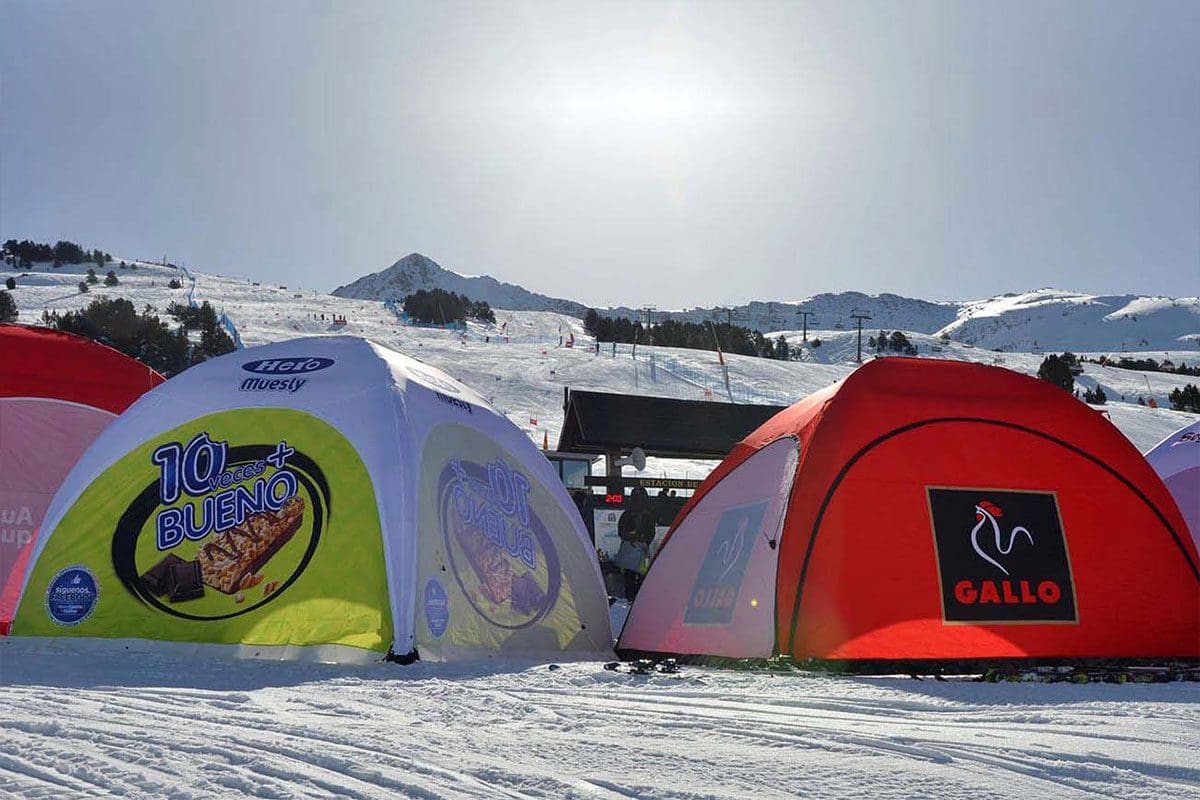
A sharp gust of wind can quickly turn a well-organised outdoor event into a safety issue. While gazebos, marquees and other temporary structures offer shelter, they can also catch the wind and require careful management in bad weather.
This guide explains the UK health and safety rules for public event shelters. We’ll show you how to decide when wind is too strong and share practical steps to keep your team and visitors safe. As a UK gazebo manufacturer and supplier since 1993, we understand the importance of good planning on windy days.
What UK Law Says About Temporary Event Structures
Health and safety for events in the UK starts with the Health and Safety at Work etc. Act 1974. It requires employers and organisers to protect staff and members of the public, so far as is reasonably practicable. That duty covers every gazebo, marquee or shelter you put up on site, whatever its size.
The Management of Health and Safety at Work Regulations 1999 then require a suitable and sufficient risk assessment. If you employ five or more people, you must record the important findings in writing. For any outdoor event, weather and wind should sit at the heart of that assessment.
Other regulations and guidance to know
Fire safety applies to event shelters too. The Regulatory Reform (Fire Safety) Order 2005 covers England and Wales, while Scotland follows the Fire (Scotland) Act 2005. The canopies on our PRO 30 and PROTEX® ranges are flame retardant to BS 5438:1989 and BS 7837:1996, which helps when completing your fire risk assessment.
For temporary structures such as stages and marquees, the HSE suggests considering the Construction (Design and Management) Regulations 2015 in your planning. Many organisers also follow the Purple Guide, the events industry’s recognised guidance for outdoor events. Large public events may need input from a local Safety Advisory Group, so speak to your council early.
Who Is Responsible for Health and Safety at an Event?
The event organiser is responsible for safety. This means planning for bad weather, picking the right shelters and making sure qualified people set them up properly. Exhibitors, traders and contractors are also responsible for the structures and equipment they bring.
Write down who owns each shelter and who can decide to take it down. Choose one person as your weather lead, with authority to pause activities or clear an area if needed. Make sure everyone on your team knows who this person is and how to contact them on the day.
Building Wind Into Your Event Risk Assessment
The HSE’s approach to risk assessment follows five steps, where each one applies to wind. Here’s how they look for an event using shelters:
- Identify the hazards, such as shelters lifting or loose items becoming airborne.
- Decide who might be harmed, including visitors, traders, staff and passers-by beyond your boundary.
- Evaluate the risks and decide on controls, from anchoring to exclusion zones and wind limits.
- Record your findings and brief your team before the event opens.
- Review the assessment on the day as forecasts and conditions change.
Consider the location of your event. Open fields, hilltops and seafronts are more exposed to strong, sudden gusts. Wind can also funnel through gaps between buildings, so try to place shelters away from these areas when possible.
How Windy Is Too Windy for a Gazebo?
The safe wind limit depends on the structure type, size, anchoring and the manufacturer’s advice. There is no set legal wind speed for event shelters in the UK, so your risk assessment should set clear trigger points in advance.
As a general guide, we recommend taking temporary gazebos down when winds reach 30 to 35mph. You can find more detail in our guide on how to secure a gazebo from wind. Always check the product page for your model too, as some heavy-duty frames carry their own wind ratings.
What wind speed is dangerous in the UK?
The Met Office’s Beaufort scale is a useful way to judge conditions on site. At Force 6, a strong breeze of 25 to 31mph, large branches move and umbrellas become hard to use. At Force 7, a near gale of 32 to 38mph, whole trees sway and walking into the wind gets difficult. By Force 8, a gale of 39 to 46mph, twigs snap off trees and temporary structures face serious risk.
For shelters, gusts matter more than average wind speeds. For example, a forecast of 20mph with gusts up to 40mph is much riskier than a steady 25mph wind.
Determining clear trigger points
| Trigger point | Solution |
| Forecast shows strong gusts or a Met Office yellow wind warning | Brief the team, add extra ballast and check every anchor point |
| Gusts building towards Force 6 | Remove windward sidewalls, secure loose items and limit access around exposed shelters |
| Winds reaching 30 to 35mph | Clear people from shelters and take them down in a controlled way |
| Amber or red wind warning | Consider postponing or cancelling and follow official advice |
Anchoring and Setting Up Shelters Safely
Anchor every shelter at each leg, whether it’s on grass or hard ground. Use stakes and guy ropes from a tie-down kit for soft ground. On concrete or tarmac, use gazebo weights on each leg and add a tie-down kit if possible.
Attach straps to the metal frame rather than the canopy fabric and check the tension regularly throughout the day. For step-by-step advice, read our guide on safely securing your gazebo on concrete or grass.
Sidewalls and linked shelters
Sidewalls help keep visitors dry, but they can also catch the wind. If gusts pick up, remove the panels facing the wind first, then take off the rest if the wind gets stronger. If you have several gazebos in a row, use frame connectors or double weights so they support each other.
Monitoring the Weather Before and During Your Event
Check the Met Office forecast in the days leading up to your event, especially for gust speeds. Yellow, amber and red warnings show how likely and how severe severe weather could be. Check the forecast again the night before and on the morning of set-up.
On the day of your event, use a handheld anemometer to give your weather lead accurate wind readings. Record these readings at set times to keep a clear record of your decisions. Check every shelter before the event starts and after any strong gust to make sure anchors, straps and joints are secure.
Keeping the Public Safe When the Wind Picks Up
Gazebos protect visitors from sun and rain, but they are not safe places to shelter during a storm. If winds approach your trigger points, move people out from under shelters instead of into them. Set up an exclusion zone around any structure you are concerned about, since a lifting frame can move suddenly.
Decide in advance how you will communicate changes. Clear announcements and well-briefed stewards help you close areas calmly and prevent panic. Never leave shelters up overnight or during a weather warning if no one is there to watch them.
Frequently Asked Questions
Can gazebos withstand high winds?
A well-made, properly anchored gazebo can handle breezy weather, but every frame has its limits. Our PROTEX® 50 3m x 3m gazebo is rated for gusts up to 65mph when secured correctly. This rating shows the frame’s strength, but our advice is to take down gazebos at 30 to 35mph adds a safety margin for the public.
What are the health and safety guidelines for events?
In the UK, the main legal duties come from the Health and Safety at Work etc. Act 1974 and the Management of Health and Safety at Work Regulations 1999. The HSE’s event safety pages and the Purple Guide turn those duties into practical advice. For larger public events, your local Safety Advisory Group can give further support.
Plan and Enjoy Your Event
High winds are common at UK outdoor events, but having a clear plan keeps everyone safe. Include wind in your risk assessment, set trigger points in advance and make sure one person has the authority to act. Always anchor shelters properly and take them down early if the weather changes.
If you need help choosing a shelter or supports for your event, our team is happy to assist. Call us at 01928 727 449 or email sales@sun-leisure.com. You can also browse our full range of commercial and industrial heavy-duty shelters.