


How to Choose the Perfect Gazebo for UK Weather
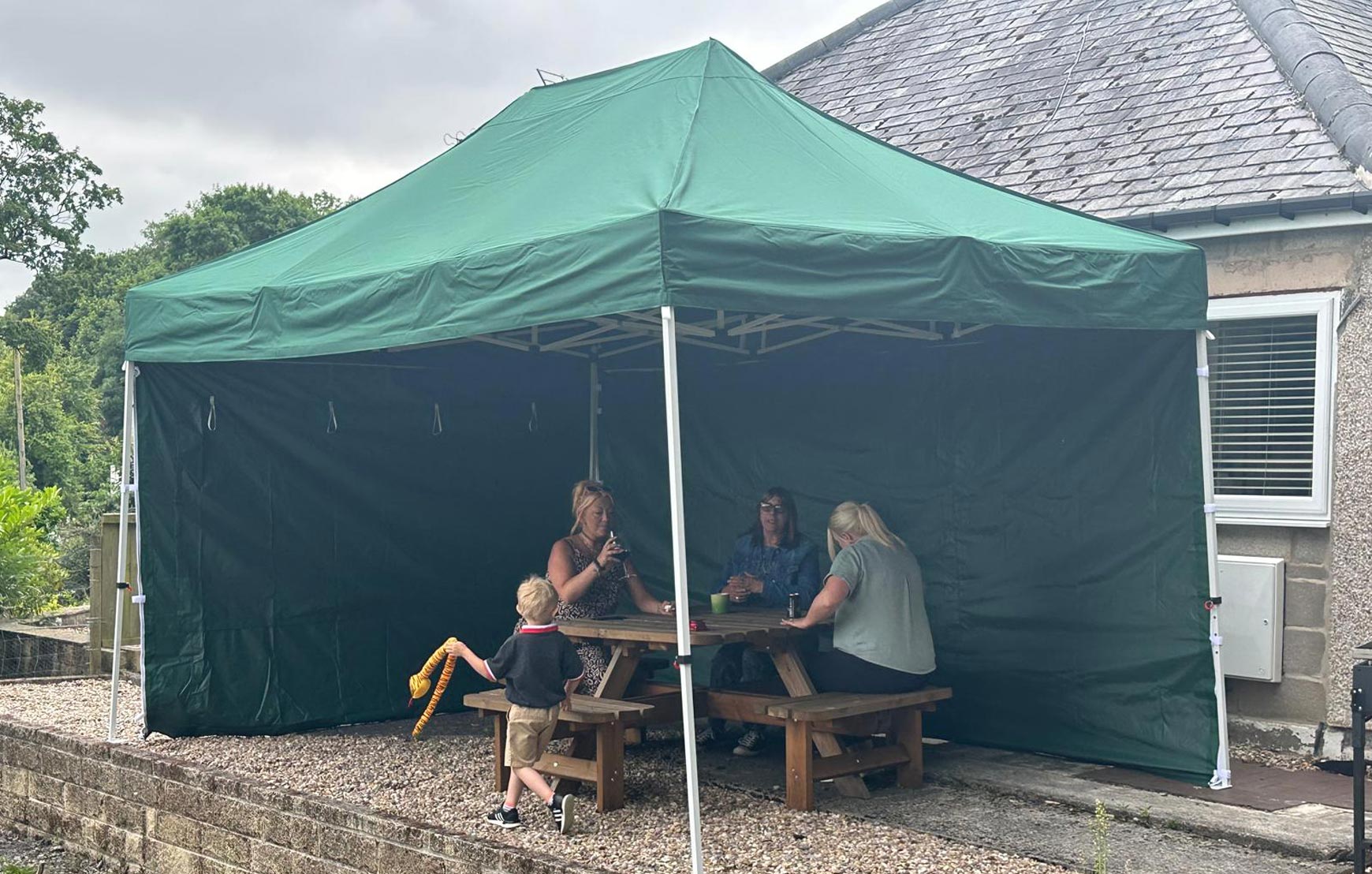
The British weather is famously unpredictable. One moment you’re basking in the sunshine and the next you’re retreating indoors from a sudden downpour. If you host outdoor events, run a market stall or manage a commercial space, you need a shelter that can handle these rapid changes.
Choosing the right structure means looking beyond basic designs. You need a setup that offers genuine peace of mind when the clouds roll in. In this guide, we’ll help you find a robust solution that makes things run smoothly in any season.
Prioritising Stability in High Winds
Wind is the ultimate test for any outdoor shelter. A standard garden gazebo will only withstand certain speeds, so you must look for structures engineered specifically for strength. Investing in a heavy-duty windproof gazebo is the best way to safeguard your equipment and guests.
When evaluating options, focus on the frame material and joint construction. Look for an all-aluminium frame with a high-diameter hexagonal profile, such as our PROTEX 50 range. Internal tube ribbing and cast alloy joints provide the necessary reinforcement to handle sudden movements without bending. A truly storm-proof gazebo relies on these premium components to stay rigid when lesser models fail.
Proper anchoring is just as crucial as the frame itself. Even a heavy structure can lift if it isn’t anchored correctly to the ground. You should always use a combination of heavyweight discs, tie-down straps and heavy-duty stakes. For a detailed breakdown of how to secure your setup, read our guide on the top five types of gazebo weights for windy conditions.
Gazebo Open or Closed for High Wind?
A frequent dilemma during bad weather is whether to leave your structure open or closed. The configuration of your sidewalls changes how air moves through the space. Leaving a wind-resistant gazebo completely open allows strong gusts to pass straight through, which reduces the immediate pulling force on the fabric.
However, if you install walls on three sides, you create a pocket that traps oncoming air. This scenario creates an aerodynamic lift effect that can pull the legs clean off the ground. The best approach is either to keep the structure fully open or closed, nowhere in between. If you choose to close the space entirely, ensure your anchors are maxed out to handle the increased resistance and that all four walls are fully pegged down.
Navigating the Seasons: Year-Round Space Planning
To get the most out of your investment, you need to adapt your shelter layout as the seasons shift. Each quarter brings unique challenges that dictate how you manage your space, walls and ventilation.
Spring Space Planning and Freshness
Spring events are all about flexibility as you shake off the winter chill. During April and May, outdoor planning requires precise management to ensure guest comfort while navigating unpredictable weather.
You’ll almost certainly want to attach your gazebo sidewalls to block out crisp, biting winds and sudden seasonal downpours. This can make the space feel cramped, so we recommend planning for a larger footprint to give your guests plenty of breathing room.
Summer Heatwaves and Sun Protection
When summer arrives, your shelter’s primary job shifts from blocking rain to providing UV protection. During intense British heatwaves, a reliable pop-up gazebo creates a cool, shaded oasis in your garden or at a busy trade event.
During periods of high sun, strip away the sidewalls entirely to maximise natural cross-ventilation. However, as the sun moves throughout the day, the shaded footprint on the ground shifts outside the physical frame.
Choosing a larger 4m x 4m or 3m x 6m structure ensures that even when the hot summer sun dips to an angle, your dining tables, patio furniture or refrigerated market stock stay fully protected within the moving shadow.
Autumn and Winter Warmth
As the leaves turn and autumn brings milder days and colder nights, you’ll need to adapt your shelter layout once again. To keep using your outdoor space comfortably into October and onwards, you’ll likely want to introduce localised heating and lighting to keep the space comfortable and hospitable.
Safety is paramount here. Make sure to factor in extra floor space to ensure any appliances sit at least one metre away from the canopy fabric and your guests, making a standard 3m x 3m layout the bare minimum for cosy autumn lounging.
Frequently Asked Weather Questions
What Wind Is Too Strong for a Gazebo?
Even a premium windproof gazebo has its limits. High-quality commercial units are often tested to withstand wind gusts up to 100 km/h (around 62mph) when properly anchored with cam lock straps and stakes.
As a general rule, wind speeds consistently exceeding 30- 40 mph mean it’s time to pack down. Continuous buffeting places immense fatigue on the metal components and seams. It’s always better to act early and protect your investment rather than risk damage to your kit or injuring your visitors.
Can You Leave a Gazebo Up in the Rain?
You can absolutely leave a professional-grade shelter up in the rain, provided the canopy is properly tensioned. Built-in internal springs within the apex help maintain ideal fabric tension. This setup stops water from pooling on the roof, which is a major cause of frame collapses.
Rain is a constant feature of the UK climate, making reliable waterproofing non-negotiable. You need a canopy crafted from high-density polyester with a quality PVC coating and thermally taped seams. You can also consider adding guttering. A high water column pressure rating ensures that moisture cannot penetrate the fabric during heavy, prolonged downpours.
Do Gazebos Need to Be Taken Down in Winter?
Pop-up shelters are designed as temporary structures and shouldn’t be left unattended for months on end. Snow loads can build up rapidly on the roof, causing catastrophic weight damage. Freezing rain can also ice up the joints, making them brittle.
If you must operate during the colder months, regular maintenance and proper heating are essential. Discover how to manage your setup safely by reading about using commercial gazebos in winter. For those running winter markets or festive shows, we also have a great list of tips and tricks for outdoor shows and events in winter to keep things running perfectly.
What Are Common Gazebo Mistakes?
Never pack away a wet canopy. Storing damp fabric creates a breeding ground for mould and mildew, which rots the seams and ruins the waterproofing. Always pop the structure back up in a dry space to let it air out fully before long-term storage.
Consider your terrain. When you set up on sloping ground without adjusting the legs places uneven stress on the frame. Always use purpose-built cast iron weights or sandbags. Many people rely on cheap, makeshift weights like water containers or light bricks. Professional options that clamp directly to the legs to ensure your shelter stays exactly where you put it.
Weathering Every Season with Confidence
You can’t change the British weather, but you can choose a gazebo that’s ready to face it. Ensuring your canopy features heat-sealed waterproof seams and heavy-duty anchoring means you’ll stand firm through wet spring days and breezy autumn afternoons. When summer heatwaves hit, stripping away the side panels will increase ventilation while keeping your guests, stock and any equipment safely out of direct sunlight.
Don’t let the weather ruin your outdoor plans. Browse our industry-leading range of weather-resistant gazebos and find the perfect choice for your setup at Sun Leisure today.