


Pergola vs Gazebo: What’s the Difference and Which Do You Need?
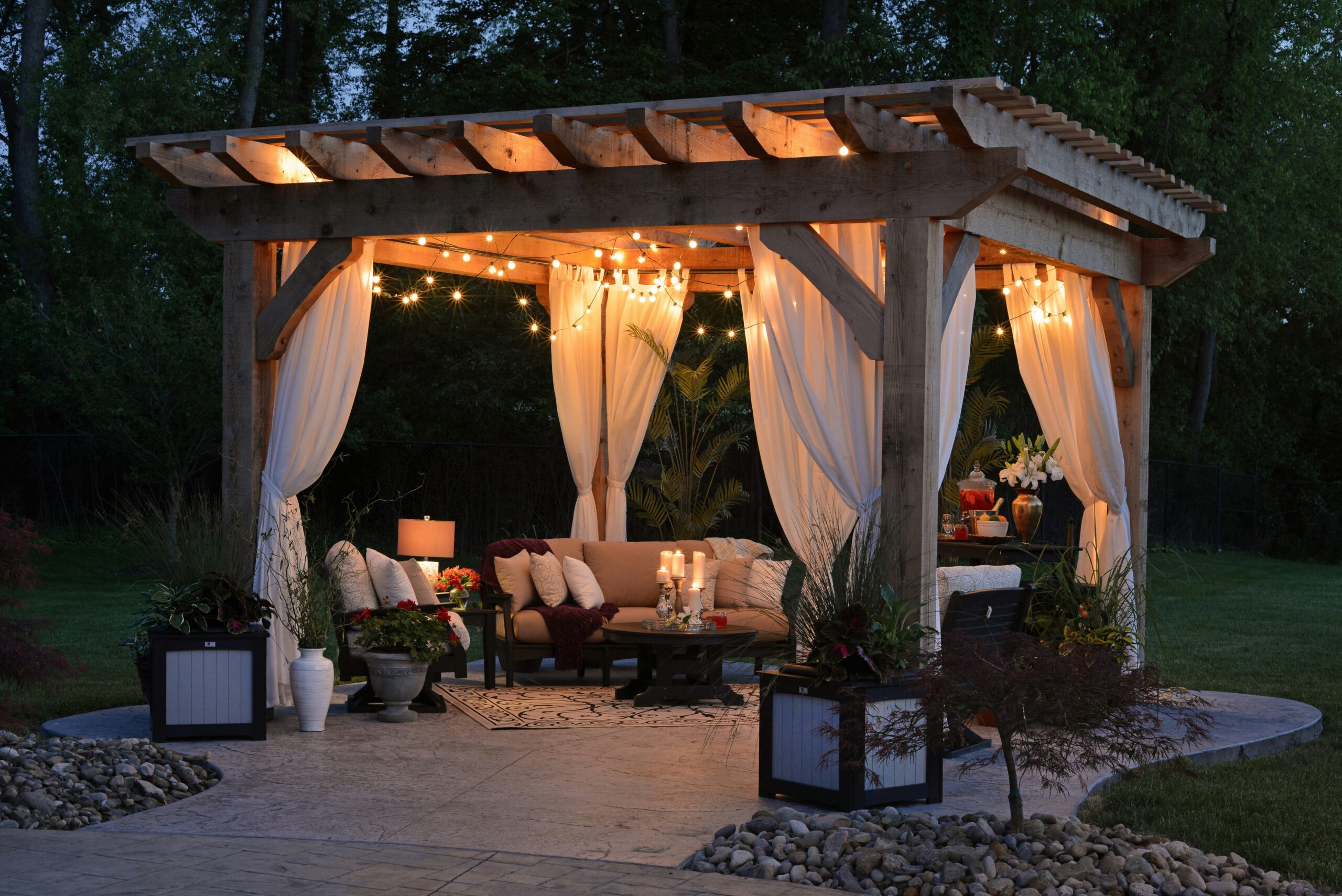
Pergolas and gazebos may look similar at the garden centre, but they behave differently in the rain. A pergola frames your space and gives some shade, while a gazebo has a solid roof for full cover. There’s also a third option many people miss: portable frames like our pop-up gazebos, which provide a roof when you need it.
Choosing the best option depends on how often you’ll use the space and how much shelter you want. It also matters if the structure needs to stay in one spot all year. Each type fits a different garden and owner.
What Is a Pergola?
A pergola is an open structure with upright posts and beams or slats on top, but no solid roof. Traditional pergolas are made from timber, but aluminium versions with adjustable louvres are now popular. Many people use them to mark out a patio or walkway, often growing climbing plants over the top for some shade.
Since the roof is open, a regular pergola won’t keep you dry in the rain. It’s better for those who want a lasting garden feature and some shade on sunny days, rather than full weather protection.
What Is a Wooden Gazebo?
A wooden gazebo stands on its own with a solid roof and posts, usually set on a base or patio. Many have railings or panels on some sides, offering more privacy than a pergola. People often pick one to cover a hot tub, dining set, or BBQ area they use regularly.
As it’s a permanent structure, a wooden gazebo needs a flat base, time to assemble and regular care to protect the wood. Once it’s set up, it stays in place, so it’s best if you know where you want your outdoor room.
Where a Portable Gazebo Fits In
A portable gazebo gives you a solid roof like a wooden gazebo, but you don’t have to fix it to the ground. Our frames have concertina sections and telescopic legs, so one person can set most up in minutes without tools. When you’re done or the weather changes, the whole shelter folds into its bag for easy storage.
All our Garden & Leisure canopies are fully waterproof and flame-retardant. You can add sidewalls to block wind or make a private space when needed. Sizes range from 1.5m x 1.5m up to 8m x 4m, so there’s an option for a small table or a big family event.
Which Gives Better Shelter From British Weather?
Both types of gazebo offer better rain protection than a pergola because their solid roofs keep water out, while a pergola’s open frame does not. A wooden gazebo stands up to wind once it’s secured, making it a good choice for a permanent spot. A portable gazebo needs to be anchored each time you set it up, using pegs on grass or weights on patios and decking.
As with any temporary shelter, you should take down a portable gazebo if strong winds are coming. Our guide to securing a gazebo from wind explains how to anchor each leg and when to pack it away. If you want shelter that can withstand winter storms, a fixed wooden gazebo is a better choice.
Which Is Easier to Look After?
Timber pergolas and wooden gazebos need treatment every few years to protect against rot and weather. Aluminium pergolas need less care, but moving parts like louvres should be cleaned regularly. In both cases, the structure stays outside all year and faces all kinds of weather.
A portable gazebo is usually packed away, so the frame and canopy stay protected when not in use. The main thing is to let the canopy dry completely before putting it back in the bag. Our guide to protecting your gazebo against mould and tears has more details.
How to Choose the Right Structure for Your Garden
Choose a pergola if…
You want a lasting feature that forms your patio and supports climbing plants. It’s best where light shade is more important than staying dry.
Choose a wooden gazebo if…
You have a set place for an outdoor room and plan to use it often. It’s also good for covering a hot tub or dining area that stays in one spot all year.
Choose a portable gazebo if…
You want a solid roof for summer parties and BBQs, but don’t want to lose part of your garden forever. It’s also great if you want one shelter for the garden, camping, and local events. If you want more information about the difference between our frames, this guide can help you make an informed decision.
Getting More From a Portable Garden Gazebo
A few accessories can make a portable frame feel more like a permanent outdoor room. Sidewalls with windows give you the enclosed feel of a wooden gazebo, and adding lighting and heating lets you use the space on cooler evenings. Flooring helps keep your feet dry on wet grass.
For bigger gatherings, you can use connectors and guttering to join two frames into one big covered area. If a canopy or sidewall wears out, you can replace it with a spare from our range and keep using the frame. Our guide on how to put up a pop-up gazebo shows how quickly everything comes together.
Finding the Right Cover for Your Outdoor Space
A pergola suits a permanent, partly shaded spot, while a wooden gazebo gives you a fixed outdoor room with a solid roof. A portable gazebo gives you that solid roof when you need it, and packs away when you don’t. It’s easily the most practical option of the three, but we could be a bit biased.
If you’re still deciding, contact our team at 01928 727 449 or sales@sun-leisure.com. We’ve been UK gazebo specialists since 1993 and can help you pick the right frame and size for your garden.